
Pricing Team
Capability Assessment
Your pricing team carries a lot of margin. We show where better support would protect more of it.
Clients typically see 200 to 900 basis points of margin improvement within 12 months.
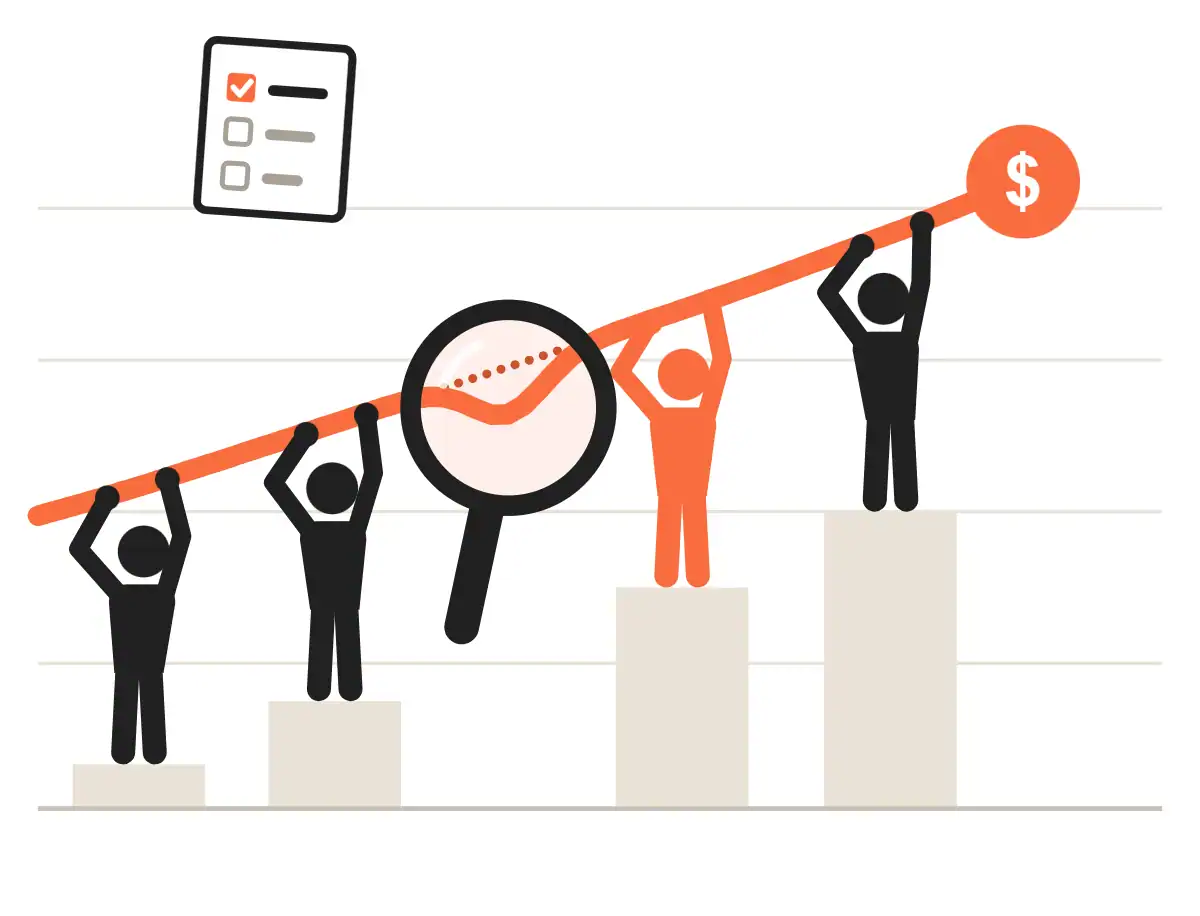
Is this your business?
- Similar deals get approved on different terms, depending on who signs them off
- More pricing calls go up the line for a decision
- Price overrides have become part of normal business
- Sales incentives reward volume, even when it costs margin
- Pricing roles overlap, so some work is done twice and some not at all
- Pricing decisions loosen when margin is under pressure
- You’re not sure the team has the support it needs for what’s coming
These problems build up quietly as a business grows. No one sets out to create them, and they can be fixed.
See it in practice
2 to 5%
Finding Safe Price Bands in a Slowing Industrial Market.
Safe price bands found for major customers, and 2 to 5% more revenue identified in list pricing. Read the case
Team built
Building a Revenue Management Team That Can Lead.
A clear standard for the team, and the right people hired before margin pressure hit. Read the case
925 bps
Moving a Packaging Business to Value Based Pricing.
More than double its EBIT target, and 925 basis points of gross margin uplift on in scope revenue in the first 3 months of launch, with a pricing team built and coached by Taylor Wells. Read the case
300 bps
Rebuilding Pricing Control in a Shrinking Market.
A new pricing and product team hired, set up and coached weekly, and 300 basis points of gross margin held for 2 years. Read the case
Pricing Teams Are A Direct Lever For Margin Expansion
For organisations concerned that unmanaged pricing behaviour is eroding margin, identifying capability gaps and commercial risks can help uncover potential margin exposure.
Pricing teams determine whether margin targets are realised or quietly lost.
A well-structured pricing team builds a value culture that keeps decisions focused on customer value and margin protection, even when customers push back, costs move, and sales pressure increases.
A weakly supported pricing team drives margin leakage through uncontrolled discounting, delayed cost recovery, inconsistent exceptions and unclear decision rights.
Pricing capability is not theoretical. It shows up in daily decisions that either protect margin or erode it.
Where Pricing Performance Breaks In Practice
Pricing rarely fails because the strategy is wrong. It breaks when pricing decisions are made under pressure without clear rules, authority or support.
In practice, this shows up as:
Discount exceptions becoming routine
Inconsistent deal approvals
Escalation replacing accountability
Incentives working against price discipline
Each decision makes sense in isolation. Together, they define how pricing really works.
What A Pricing Team Assessment Measures
This Pricing Team Assessment examines whether your pricing capability can execute commercial strategy under pressure.
It assesses:
- Pricing decision rights and governance
- Pricing skills and role clarity
- Team norms and behaviours
- Incentives and performance measures
- Leadership support and operating model
The focus is not theory. It is whether pricing decisions hold when margin is under pressure.
The Commercial Risk Of Not Assessing Pricing Capability
When pricing capability gaps go unseen, margin loss compounds quietly.
Common risks include:
Uncontrolled
discounting
Price overrides
becoming normalised
Slow or incomplete
recovery of cost
increases
Inconsistent application
of pricing rules
By the time these issues appear in financial results, they are already embedded in behaviour.
When a Pricing Assessment Is Most Useful
A Pricing Team Assessment is most effective:
- When margin is eroding and pricing outcomes are hard to explain
- When discounting and exceptions are increasing
- When pricing strategy is not translating into execution
- When hiring, restructuring or scaling a pricing team
- When faster progress is needed without adding complexity
What Leaders Gain From A Pricing Team Assessment
Leaders gain:
- A clear view of pricing capability strengths and gaps
- Faster execution through clearer decision rights
- Reduced margin leakage from discounting and overrides
- Improved confidence across pricing, sales, and finance
- Practical priorities for capability building, role design or recruitment
This creates focus, not bureaucracy.
Our Pricing Assessment Framework
Our pricing assessment framework brings together four components:
Organisational Pricing
Capability Benchmark
Governance, norms, and decision
rights assessed against best practice
Pricing Team
Health Check
Skills, role fit, and operating effectiveness
mapped to your context
Individual
Development Reviews
Practical feedback linked to capability
gaps and commercial outcomes
Pricing & Margin
Data Deep Dive
SKU, transaction-level analysis identifying high-margin risk, discount leakage, rebate erosion, and conversion gaps prioritised by commercial impact.
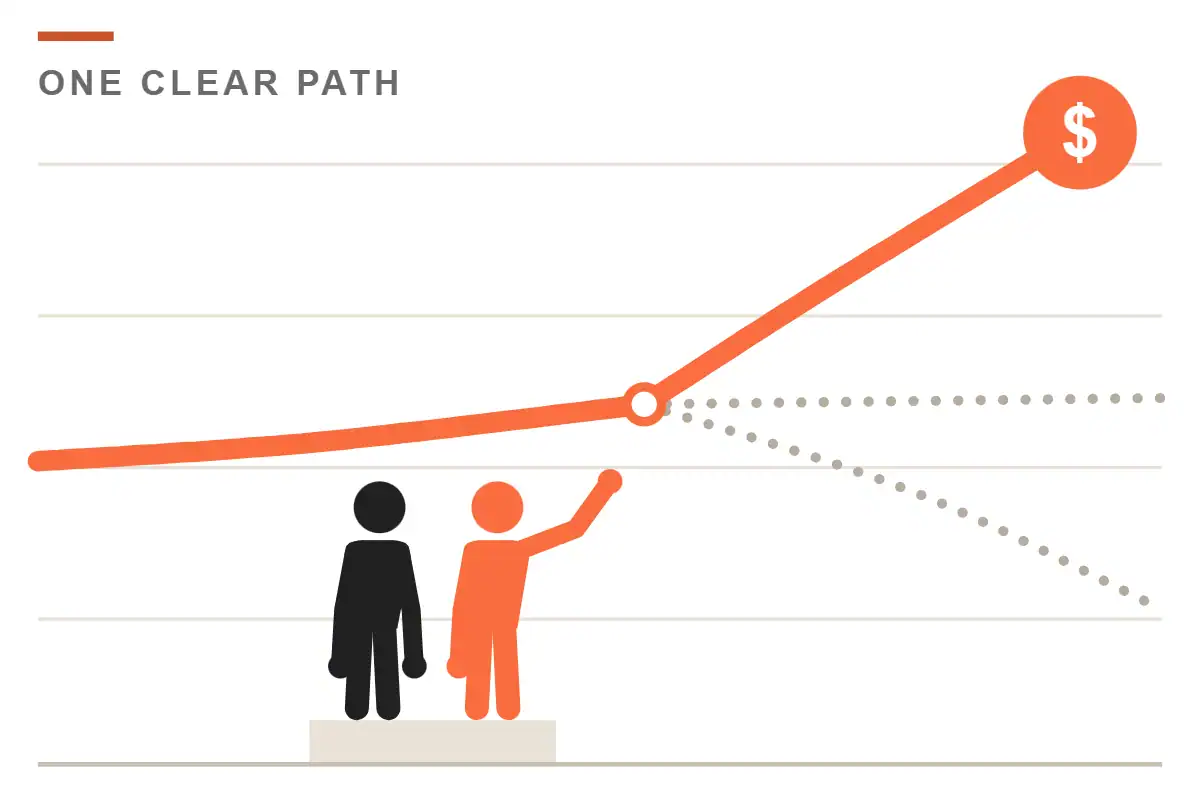
An independent pricing diagnostic that quantifies margin risk, capability gaps and system effectiveness,
giving executives clear priorities before investing in change.
How The Assessment Works
Outcomes are practical and prioritised. Clients typically see 200 to 900 basis points of margin improvement within 12 months. The assessment identifies opportunities across pricing structure, policy, discount governance and commercial execution, with clear actions prioritised by commercial impact.
- Structured diagnostics and executive stakeholder input
- Capability assessment and benchmark comparison
- Executive and stakeholder interviews and capability review
- Findings translated into prioritised actions across governance, capability, role design and leadership structure
- Clear visibility of margin leakage and immediate commercial recovery actions.
- 200 to 900 basis points of recoverable margin identified, with clear actions across pricing structure, policy, discount governance and commercial execution
How This Supports Pricing Strategy And The Value Culture Program
A Pricing Team Capability Assessment strengthens pricing strategy execution by identifying what must change in governance, decision-making and capability so pricing holds when margin is under pressure.
It can be used as a standalone intervention or as the starting point for broader
capability building through the Value Culture Program.
How This Fits With Other Taylor Wells Services
Pricing Team
Assessment
Diagnose the gap
Pricing Strategy
Consulting
Set the direction & structure
Value Culture
Program
Embed it so it holds
Pricing Executive
Search
Find the right pricing talent
Each service supports the others, without duplication.
Common questions
What is a pricing capability assessment?
An independent review of how your business sets, approves and manages price. We look at the team, the data, the rules and the results, then show where margin is being lost and what to fix first.
Who is it for?
Leadership teams in B2B manufacturers, distributors and suppliers, and in consumer, SaaS and services businesses, who want to know whether pricing is set up to protect margin. It suits businesses with or without a pricing team.
What do we get at the end?
A clear view of your pricing capability, the size of the margin opportunity, and a short list of priority actions across price structure, discounts, rebates and the team.
Does it judge individual people?
No. It looks at how the system works: roles, rules, data and tools. Most gaps come from how pricing has grown over time, not from anyone doing the wrong thing.
What happens after the assessment?
Some clients act on the findings themselves. Others ask Taylor Wells to help with pricing strategy, the Value Culture program or hiring the right pricing people.
Request A Pricing Team Assessment
Check how your pricing is performing