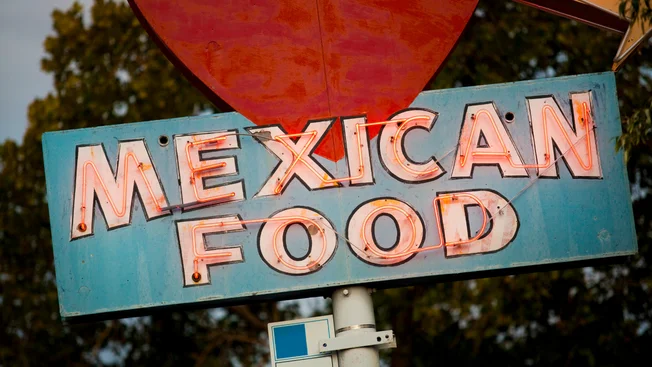
A leaked recording attributed to Chipotle Mexican Grill Inc. CEO Scott Boatwright ignites debate on ethics and Chipotle menu pricing. The audio suggests prices will keep rising because customers “can afford it.” The story is everywhere on social media and sparks strong reactions online. Yet, Chipotle has not issued a clear public statement to explain the context or calm the concern. The real controversy is not simply that prices are going up. It is how the company seems to justify those increases and the message it sends to customers and the wider market.
Price increases are a normal part of doing business, especially when costs rise. But when the rationale leans heavily on customer income rather than value delivered, trust erodes quickly. In this case, the public framing shifts the conversation from cost pressures to willingness to pay, and that worry resonates with customers and commentators alike.
>Download Now: Free PDF How to Avoid Pricing Chaos
Behind Chipotle Menu Pricing and the Broader Strategy
According to reports, Boatwright noted that around 60 per cent of Chipotle’s core customer base has an average household income exceeding US$100,000. He suggested this gives the company “confidence to lean into that group in a more meaningful way”, a phrasing that many interpreted as a signal of continued Chipotle price increase decisions and a broader shift in Chipotle menu pricing.
At a basic level, using demographic data in pricing strategy is common. Segmenting customers based on income, behaviour, or preference can help businesses tailor offers and optimise value capture. It can also shape decisions about product features, digital experiences, and promotions. In that sense, this aspect of Chipotle strategy is commercially valid.
However, the risk appears when the willingness to pay threshold becomes the central justification for price rises, without an equivalent emphasis on value creation and value perception. Income alone does not guarantee satisfaction or loyalty. And when this kind of logic becomes public, reputational damage can accelerate quickly.
Capability Building Programmes For Pricing & Sales Teams!
Why Chipotle Menu Pricing and Value Perception Feel Personal
Food and everyday dining are categories where pricing feels especially personal. This is why changes in Chipotle menu pricing attract strong reactions. These are small, frequent purchases that customers make with tight budgets and firm expectations of fairness. A few dollars can feel trivial in isolation. However, a steady Chipotle price increase adds up quickly in real life.
Consumers do not just pay with money. They pay with loyalty, trust and goodwill. When pricing shifts without a clear value reason, customers notice. If value perception weakens, frustration follows. Many social media responses to the Chipotle leak reflect exactly that, with people questioning whether the product still delivers value for the price. This kind of sentiment spreads quickly in digital channels.
How much should a CEO know about Pricing? 👨💼 Podcast Ep. 63!
Cost Pressure and Chipotle Menu Price Increase
Let us be clear. Cost pressures are real for all quick-service and fast-casual restaurants. Labour shortages, supply volatility, energy costs and inflation have all influenced operating expenses. Many chains have raised prices simply to protect margins and keep stores open. That is an understandable commercial response.
In fact, Chipotle is planning further menu price increases of around 1–2 per cent this year, according to financial leadership commentary. These moves reflect ongoing cost pressures and form part of the broader Chipotle menu pricing strategy to protect long-term performance. Understanding these realities matters before judging any individual decision.
However, raising prices because costs exist is not enough. Customers assess whether the experience and product quality justify what they pay. If a price hike pushes beyond the willingness to pay threshold and weakens value perception, resentment follows instead of acceptance.
Where Chipotle Menu Pricing Crosses the Willingness to Pay Threshold
Here lies the core lesson for business leaders and pricing teams. There is a meaningful difference between:
- Ability to pay (what customers can afford), and
- Willingness to pay (what customers believe is worth spending on).
A high average income in a customer segment does not automatically translate to higher willingness to pay at every price point. People budget, trade off and make complex decisions about what matters in their daily spend. True value pricing must anchor on what customers believe they receive in return for their money.
For instance, if customers feel portion sizes shrink or the experience changes, they may judge a price rise as unfair. Even if they have income, they may stop frequenting the brand or substitute it with alternatives that feel more honest.
What Business Leaders Must Learn from the Chipotle Menu Pricing Backlash
If you are a business leader, this episode around Chipotle menu pricing offers a clear warning. Pricing is not just an economic lever. It is a brand and reputation decision. Pricing power without trust delivers short-term revenue gains but creates long-term risk, especially when a price increase is seen to ignore customer sentiment.
Customers remember how they feel about price increases. Once trust weakens, rebuilding value perception takes sustained effort and visible value creation. Leaders should ensure pricing decisions are grounded in value and communicated transparently. Customers do not simply accept price rises; they judge them against their own willingness to pay threshold.
Pricing Recruitment For Pricing Managers!
What Pricing Teams Should Do Instead
For pricing teams, the priorities are clear:
- Define value first: understand what your offer truly delivers to customers.
- Test elasticity thoughtfully: segment markets based on behaviour and perceived value, not just income.
- Link price moves to benefits: introduce price changes alongside visible improvements or clearer value signals.
- Guard against justification shortcuts: avoid rationalising price increases purely on the basis of customer income.
Pricing should follow value creation, not purchasing power.
〉〉〉 Get Your FREE Pricing Audit 〉〉〉
Pricing Strategy Is as Much About Perception as Price
The conversation around Chipotle menu pricing is more than a PR story. It highlights a core truth: customers judge price through value perception, communication and fairness.
Sustainable pricing rests on credible value and transparent communication, not income data alone. Anchor your pricing framework to the value drivers that matter most. Build trust into your pricing logic, not just profit targets.
Pricing is not simply about cost and margin. It shapes your relationship with customers. When you get it right, you strengthen revenue and reputation. When you get it wrong, both suffer.
If you are reassessing your pricing, facing margin pressure, or managing reputational risk, now is the time to act. Let’s have a focused conversation about where your pricing stands and how to move it forward with confidence.
For a comprehensive view of building a great pricing team to prevent loss in revenue, download a complimentary whitepaper on How to Avoid Pricing Chaos.
Are you a business in need of help aligning your pricing strategy, people and operations to deliver an immediate impact on profit?
If so, please call (+61) 2 9000 1115.
You can also email us at team@taylorwells.com.au if you have any further questions.
Make your pricing world-class!