The dispute between Woolworths and the Australian Competition and Consumer Commission is not just another retail case. It is a test of how businesses communicate price in an inflationary environment. At the centre is the Woolworths Price Dropped program, and whether it creates confusion around value. Prices have been rising for years. Customers expect that. However, what they do not accept is unclear savings.
At first glance, this case looks technical. It focuses on labels, timelines, and pricing rules. But in reality, it goes deeper. It challenges how customers interpret price signals when they are under pressure and in a rush.
Pricing today is not judged only by accuracy. It is judged by clarity and trust.
Read This CEO Pricing Strategy To Improve Margin & EBIT
What the Woolworths Price Dropped Program Is Accused Of and Why It Matters
The ACCC alleges Woolworths increased prices on hundreds of products for a short period, then reduced them and presented the new price as a discount. In many cases, the “discounted” price remained the same as, or higher than, the earlier regular price.
The Oreo example makes this clear. The price moved from $3.50 to $5, then dropped to $4.50. Customers see a discount. But they still pay more than before.
Woolworths rejects the claim. It argues prices reflect real cost pressures, including supplier increases and inflation. It also maintains that all displayed prices are accurate and transparent.
This creates a tension. The regulator focuses on customer impression. Woolworths focuses on factual correctness. Pricing can be technically correct and still commercially misleading.
See whether your pricing is under control
When Pricing Communication Fails
At its core, this case is about pricing communication, not pricing itself.
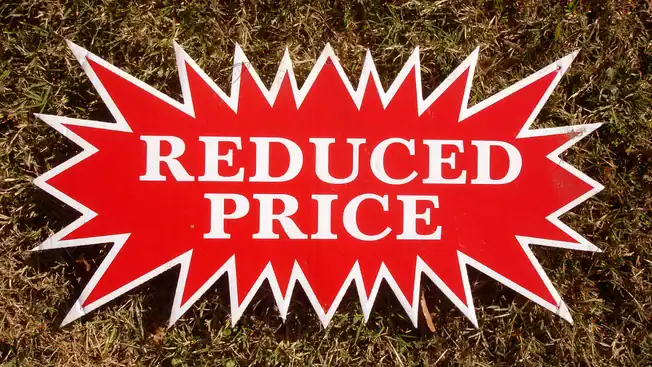
Customers do not analyse prices deeply. Instead, they rely on cues. A “was/now” label signals a saving. A red ticket signals value. These signals work fast. That is why they are powerful.
However, when the reference price behind programs like Woolworths Price Dropped is distorted, the signal breaks. Customers believe they are saving. But the reality is different. Over time, this creates doubt.
This is where many businesses get it wrong. They focus on the numbers. They forget the message those numbers send. If customers question the signal, the price loses credibility.
Will Shoppers Pay More for a Better Retail Experience 🛍 Podcast Ep. 90!
From Woolworths Price Dropped Strategy to Compliance Risk
This is no longer just a marketing issue. It is a regulatory one. The ACCC case covers around 266 products over a 20-month period. The regulator argues these were not genuine discounts but “illusory” ones.
At the same time, internal pricing rules were reportedly relaxed. Price establishment periods were shortened. Guardrails became flexible during inflation. This matters. It shows how quickly pricing discipline can erode under pressure.
We are also seeing a broader trend. Regulators are paying closer attention to pricing practices. Similar cases involving other major retailers show this is an industry-wide issue, not a one-off event.
Poor pricing communication is now a compliance risk, not just a commercial one.
What Woolworths Price Dropped Reveals About Discounting Mistakes
Many businesses rely on discounts to drive sales. That is not the problem. The problem is how those discounts are framed.
First, companies overuse reference pricing. They anchor value to a “was” price without ensuring it is credible.
Second, they treat price movement as value creation. A lower number does not always mean better value.
Third, they assume customers will not notice. That assumption is increasingly risky.
Finally, they operate in silos. Pricing, marketing, and legal teams often work separately. This creates gaps in accountability.
Discounts fail when they prioritise optics over value.
What Better Pricing Communication Looks Like
Good pricing communication is simple. But it requires discipline.
It starts with a credible reference price. Customers must believe the comparison is fair.
It also requires consistency. The same logic must apply across stores, online channels, and promotions.
Next, it demands transparency. Customers should understand why a price has changed.
Finally, it aligns with customer expectations. Pricing should feel fair, not clever.
This is not about removing promotions. It is about strengthening them.
Effective pricing communication builds trust before it drives sales.
Implications for Business Leaders
This case sends a clear message to executives.
Pricing is no longer just a commercial lever. It is a reputational and regulatory risk. Decisions made in pricing now impact brand trust, compliance exposure, and long-term growth.
Leaders must act. First, establish clear pricing policies. Second, ensure governance is strong and enforced. Third, align pricing decisions with customer expectations, not just margin targets.
Most importantly, elevate pricing to the strategic level. It should sit alongside brand, risk, and customer strategy.
Treat pricing as a core capability, not a tactical tool.
See how pricing breaks in practice
Implications for Pricing Teams
For pricing teams, this is a reset moment.
Start by reviewing how reference prices are set. Are they defensible? Are they consistent?
Next, test how customers interpret your pricing. Do they see genuine value? Or do they feel misled?
Then, build guardrails. Define clear rules for promotions, price changes, and discount claims.
Finally, collaborate. Work closely with legal, marketing, and commercial teams. Pricing cannot operate in isolation.
Design pricing that customers instantly recognise as fair.
〉〉〉 Get Your FREE Pricing Audit 〉〉〉
The Future of Pricing After Woolworths Price Dropped Issue
The Woolworths case is not just about one retailer. It reflects a broader shift in how pricing is judged.
In the past, clever pricing worked. Today, clarity wins. Customers are more aware. Regulators are more active. Expectations are higher. This changes the game.
The most effective pricing strategy is not the smartest. It is the most credible.
And for businesses willing to adapt, that is a competitive advantage. If you are rethinking your pricing approach or simply want a second opinion, let’s have a conversation.
Read This CEO Pricing Strategy To Improve Margin & EBIT
Are you a business in need of help aligning your pricing strategy, people, and operations to deliver an immediate impact on profit?
If so, please call (+61) 2 9000 1115.
You can also email us at team@taylorwells.com.au if you have any further questions.