Key Takeaways
- Consumers are moving away from discount-led buying and preferring fair value pricing instead.
- Trust, transparency, and dependable experiences now influence purchasing decisions more strongly.
- Fair value pricing focuses on quality, convenience, service, and communication — not price alone.
- Excessive promotions and reactive pricing can weaken value perception and customer trust.
- Shrinkflation and unclear price changes are increasing fairness concerns.
- Strong value architecture reduces reliance on constant discounting.
- Pricing now directly shapes trust, retention, and brand credibility.
- Clear pricing communication strengthens long-term customer loyalty.
The Retail Pricing Shift Businesses Can’t Ignore
Consumers are redefining value in retail. For years, many consumer brands relied heavily on discount-led pricing to drive sales. Price cuts, promotions, and aggressive offers became standard growth tactics. However, that approach is losing effectiveness.
Today’s consumers still care about price. Yet they care more about whether pricing feels fair, transparent, and justified. They expect dependable experiences, consistent quality, and clear communication alongside competitive pricing. In other words, businesses are shifting from “cheap pricing” to fair value pricing.
This shift matters because trust now influences purchasing decisions more directly. Consumers compare prices faster, notice inconsistencies more easily, and openly discuss pricing fairness online. As a result, pricing strategy no longer shapes only revenue and sales volume. It also shapes trust, retention, and long-term brand credibility.
The latest consumer research from Capgemini Research Institute highlights this clearly. Consumers increasingly reject shrinkflation, confusing promotions, and unclear price increases. At the same time, they reward brands that deliver reliability, quality, and transparency consistently.
Read This CEO Pricing Strategy To Improve Margin & EBIT
Why Consumers Are Moving Beyond “Lowest Price Wins”
Inflation Fatigue Is Changing Consumer Behaviour
Consumers are tired of constant pricing pressure. Several years of inflation, rising living costs, and shrinking product sizes have changed purchasing behaviour significantly.
Importantly, shoppers no longer automatically trust discounts. Many now question whether promotions represent genuine value or simply temporary price manipulation. Others feel frustrated when products quietly shrink while prices remain unchanged.
This explains why fairness is becoming central to purchasing decisions. Consumers want confidence that brands are treating them honestly. They want pricing that feels reasonable and transparent rather than reactive or opportunistic.
Research increasingly shows that poorly communicated shrinkflation damages trust because consumers view it as deceptive.
Consumers Want Confidence, Not Constant Discounts
Consumers are also becoming more selective about where they spend. Even value-conscious shoppers now prioritise reliability, convenience, and confidence alongside affordability.
This changes how brands should think about value. Customers no longer judge value only through shelf price. Instead, they evaluate the full experience, including product quality, delivery reliability, customer service, loyalty rewards, convenience, and pricing consistency.
As spending pressure rises, consumers increasingly gravitate toward brands that reduce uncertainty and deliver dependable experiences.
Fair Value Pricing Is Becoming A Pricing Advantage
Why Clear Pricing Builds Loyalty
Pricing transparency now directly influences customer trust. Hidden fees, unclear promotions, inconsistent pricing across channels, and sudden pack-size reductions all damage credibility.
Consumers pay far closer attention to pricing behaviour than many businesses expect. They compare prices across websites, marketplaces, apps, and physical stores within seconds. Consequently, confusing pricing structures create suspicion much faster.
Clear communication matters more than ever. Businesses that explain price changes openly often retain customer trust more effectively than those attempting to quietly protect margins.
Importantly, customers may accept higher prices if they understand the reasoning behind them. However, they strongly dislike feeling misled.
Consistency Now Matters More Than Aggressive Promotions
Excessive discounting also creates long-term risks. Frequent promotions can weaken perceived product quality and train customers to delay purchases until the next sale.
This creates a dangerous cycle. Brands rely on promotions to maintain volume, but those promotions slowly erode pricing power and value perception over time.
Instead, many leading consumer brands are focusing on pricing consistency, stronger value communication, and better customer experience alignment. This reflects a broader shift toward fair value positioning rather than endless discount dependency.
Will Shoppers Pay More for a Better Retail Experience 🛍 Podcast Ep. 90!
What Fair Value Pricing Actually Means
Fair Value Pricing Is More Than Price
Fair value pricing does not mean becoming the cheapest option. It means ensuring customers believe the overall experience justifies the price being charged.
Consumers increasingly assess value through factors such as:
- Product quality
- Convenience
- Service reliability
- Delivery experience
- Loyalty benefits
- Brand trust
- Pricing transparency
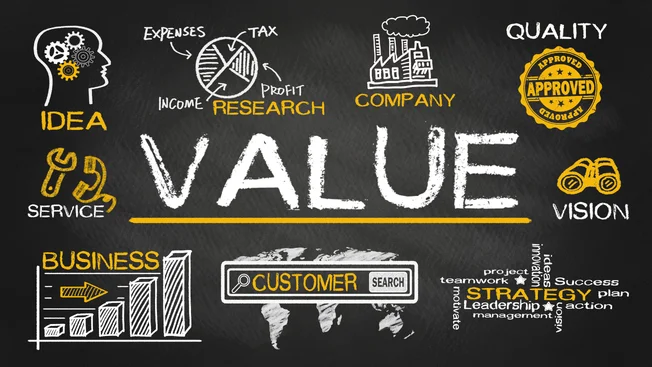
This broader evaluation is what pricing specialists refer to as value architecture.
Fair Value Pricing and Strong Architecture Creates Pricing Power
Strong value architecture helps businesses reduce reliance on heavy discounting. Instead of competing only on price, businesses create stronger perceived value through experience, quality, service, and consistency.
This is becoming increasingly important because consumers are more emotionally sensitive to pricing behaviour. They notice when promotions feel manipulative or when pricing logic appears inconsistent.
As a result, brands with strong value architecture often maintain healthier margins and stronger customer retention during volatile market conditions.
Why Retail Pricing Strategies Are Under Pressure
The Risks Of Reactive Pricing
Many businesses still approach pricing reactively. They respond to competitors quickly, increase promotions aggressively, or adjust prices frequently to chase short-term sales.
However, reactive pricing creates several problems:
- Weakens value perception
- Increases customer confusion
- Reduces pricing credibility
- Pressures margins
- Trains consumers to wait for discounts
This is especially risky in consumer markets where transparency continues increasing through AI-powered shopping tools, marketplaces, and price comparison platforms. Consumers now detect pricing inconsistencies almost instantly.
Shrinkflation And Pricing Fairness Concerns
Shrinkflation has become one of the clearest examples of pricing fairness concerns.
Many brands reduce pack sizes to protect margins without clearly communicating changes. While this may support short-term profitability, it often damages long-term trust.
Australian retailers already face growing scrutiny around pricing transparency and unit pricing clarity. This shows how sensitive consumers have become to perceived fairness issues.

The Rise Of Fair Value Pricing In Customer Expectations
Customers Want Pricing To Feel Reasonable
Consumers do not simply evaluate whether pricing is affordable. They evaluate whether it feels fair.
This emotional pricing perception heavily influences loyalty. Customers want brands to communicate honestly, justify pricing decisions clearly, and maintain consistency across touchpoints.
As a result, businesses that focus only on price competition may miss the deeper issue shaping customer behaviour: trust.
Fair Value Pricing Supports Brand Credibility
Fair value pricing strengthens credibility because it aligns pricing with customer expectations and real experiences.
Importantly, this does not mean avoiding price increases completely. Instead, it means communicating value clearly and ensuring pricing decisions feel reasonable relative to the quality and experience delivered.
Brands that achieve this balance often build stronger long-term loyalty and reduce reliance on reactive promotional cycles.
What Business Leaders Should Do Next
Move Beyond Discount-Led Growth
Business leaders must recognise that pricing now directly shapes customer trust, retention, and brand credibility.
Heavy discount dependency may still drive short-term volume. However, it can weaken long-term value perception significantly.
Instead, leaders should focus on building fair value positioning supported by transparency, reliability, and consistency.
Build A Fair Value Positioning Strategy
This requires aligning pricing with operational delivery, customer experience, and communication strategy.
Businesses should focus on delivering dependable experiences consistently rather than relying excessively on promotions to stimulate demand.
What Pricing Teams Should Review Immediately
Reassess Value Architecture
Pricing teams should review whether current pricing structures genuinely reflect the value customers experience.
This includes assessing quality perception, service consistency, convenience, promotions, and customer support together rather than treating pricing in isolation.
Audit Promotions And Pricing Communication
Businesses should simplify promotions where possible and improve pricing transparency across channels.
Importantly, pricing communication should strengthen trust rather than create confusion or suspicion.
Strengthen Long-Term Pricing Confidence
Finally, pricing teams should focus less on short-term discount cycles and more on building sustainable pricing confidence.
Customer trust is increasingly becoming one of the most valuable pricing assets a business can have.
〉〉〉 Get Your FREE Pricing Audit 〉〉〉
Fair Value Pricing Is Becoming Retail’s New Competitive Edge
Consumers still care about price. However, they increasingly judge brands on whether value feels fair, transparent, and dependable.
That shift is reshaping retail pricing. Brands that rely too heavily on discount-led pricing risk weakening trust and long-term value perception. In contrast, businesses that strengthen transparency, consistency, and customer confidence are building more sustainable competitive advantages.
Fair value pricing is no longer just a pricing tactic. It is becoming a strategic growth capability for modern consumer brands.
If your business is rethinking pricing, value positioning, or customer trust, we are here to help with pricing insights and advice for long-term growth.
Read This CEO Pricing Strategy To Improve Margin & EBIT
Are you a business in need of help aligning your pricing strategy, people, and operations to deliver an immediate impact on profit?
If so, please call (+61) 2 9000 1115.
You can also email us at team@taylorwells.com.au if you have any further questions.